Tenant Claims
Tenant Mold Claims in Florida.
Holding Landlords Accountable Under Florida Law
We pursue claims against landlords, property managers, neighbors and contractors — and we are ready to go to court.

Signs of Mold in Your Rented Dwelling

Common Issues Experienced by Tenants
- Water leaks and moisture intrusion, often coming from roofs, plumbing lines, HVAC systems, or neighboring units
- Hidden or inaccessible pipes and mechanical systems located inside walls, ceilings, or utility chases, making it difficult for tenants to verify the source of a problem
- Structural or building-wide maintenance issues, including aging plumbing systems, deteriorating roofs, and exterior wall defects
- Repairs delayed or denied when responsibility for maintenance is unclear or disputed between the landlord, property manager, or maintenance staff
- Confusion about who is responsible for repairs, which often depends on the lease agreement, building policies, and Florida law
Why Tenant Mold Claims are Different
Water intrusion and mold growth are among the most common problems faced by tenants in Florida—whether you rent an apartment, townhouse, condominium unit, or single-family home. Unlike owner-occupied properties, tenants depend heavily on their landlords or property managers to address these conditions promptly. Unfortunately, many landlords attempt to shift responsibility, delay repairs, or deny problems altogether, leaving tenants in unsafe or unhealthy environments.
Hidden building components—such as plumbing lines inside walls, deteriorating roofs, HVAC malfunctions, or leaks from neighboring units—often make it difficult for tenants to identify the exact source of a problem. However, Florida’s Landlord-Tenant Act places clear responsibilities on landlords to provide safe, habitable living conditions, including addressing water intrusion, mold, and structural issues that were not caused by the tenant.
Many tenants are unaware that Florida law gives them powerful legal rights when facing mold or other sub-standard living conditions. If you are dealing with toxic mold or ongoing water leaks caused by your landlord’s neglect, you have the right to serve the landlord with a written 7-Day Notice to Cure, formally demanding that the landlord remediate the problem.
If the landlord fails to correct the issue within seven days, Florida law gives you two options:
-
Terminate the lease and move to a safe residence, or
-
Withhold rent until the landlord completes the necessary repairs, provided proper notice has been given.
Once the lease is legally terminated, you are no longer responsible for rent going forward. However, the notice must be drafted carefully and must comply with every requirement of Florida Statute § 83.56. An incorrect notice may jeopardize your rights or expose you to eviction.
Because these legal notices must be prepared with precision—and because landlords often dispute liability even after receiving proper notice—we recommend contacting our office for a free case review before taking action.
If you need a reference, you may review a sample 7-Day Notice to Cure here.
What to do next?
Water leaks and moisture problems can quickly lead to dangerous mold—even when no visible growth is present. Mold exposure can impact your health, damage your personal belongings, and make the home legally uninhabitable. If you believe you are being exposed, it’s important to act quickly and notify your landlord or property manager in writing.
Under Florida law, once you deliver proper written notice, the landlord must repair the problem within the required time frame. If the landlord ignores the issue, delays repairs, or performs improper or incomplete remediation, you may have the right to terminate your lease, withhold rent, or pursue a claim for damages, including the cost of temporary housing and loss of personal property.
If you’re dealing with water intrusion or toxic mold in your rental home, we can help protect your rights.
Call (954) 241-2260 or request a Free Case Review by completing the form at the bottom of this page.


Results and experience.
Our team of Florida Tenant Mold Attorneys has helped renters across the state recover compensation from landlords and property managers who denied responsibility, failed to reimburse for displacement or previously paid rent, ignored dangerous living conditions, or refused to cover the cost of proper mold remediation and repairs.
Because every rental situation is different—and because each property, lease, and set of facts presents unique challenges—we develop a tailored legal strategy for every tenant we represent. Our goal is to protect your rights, hold negligent landlords accountable, and ensure that all of your losses are fully addressed.
If your landlord is refusing to act or has left you living in unsafe conditions, contact us today to find out whether your claim qualifies.
How Mold Affects Tenants and Why It Matters
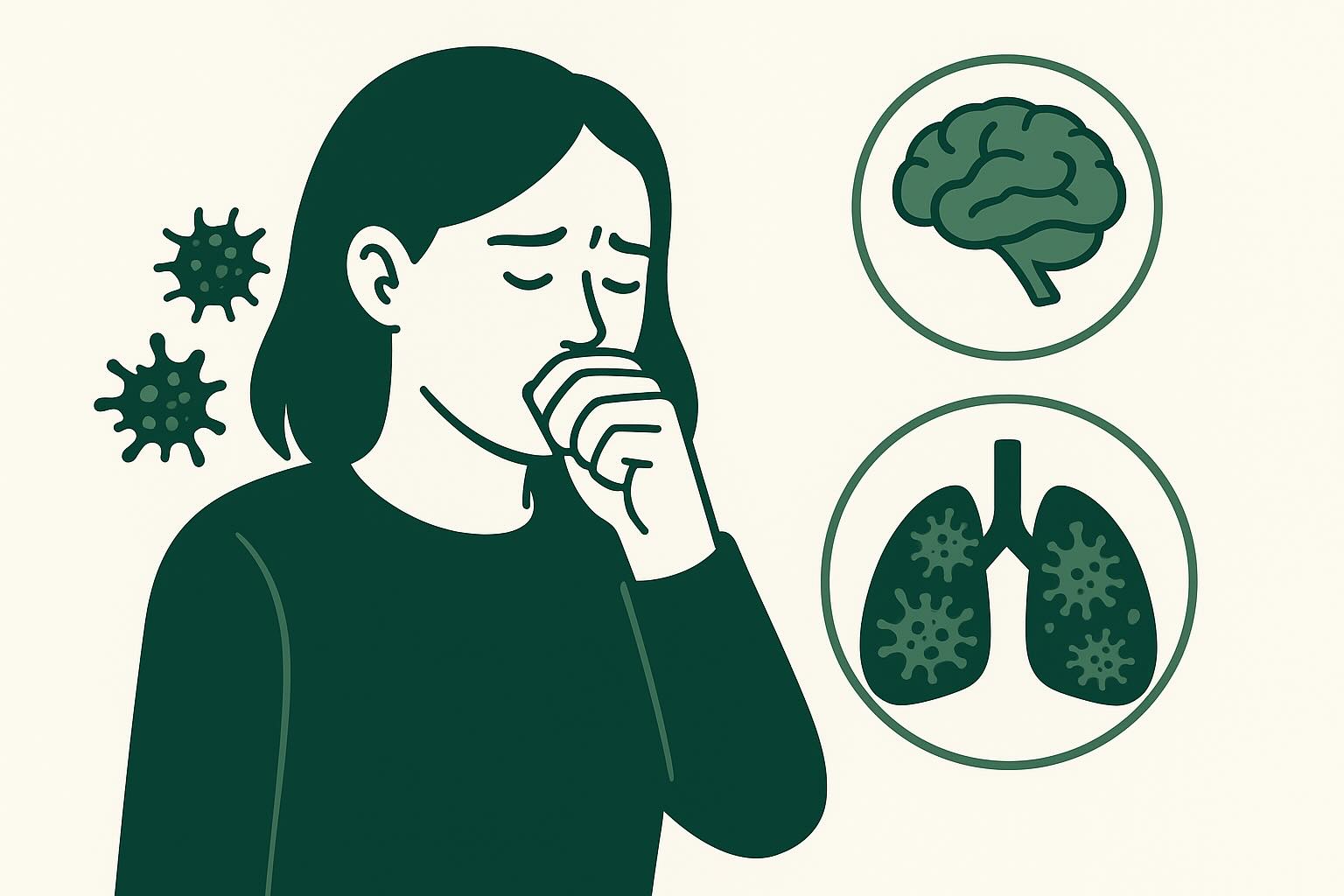
Mold exposure affects everyone differently, but tenants commonly experience symptoms such as coughing, wheezing, sinus irritation, headaches, fatigue, or worsening asthma and allergies. Even when mold isn’t visible, it can grow behind walls, under flooring, or inside the HVAC system after a leak or moisture problem.
Certain individuals — including children, older adults, and anyone with asthma, allergies, or weakened immune systems — may experience stronger or more persistent reactions. Documenting your symptoms is important because it helps establish both the severity of the problem and the landlord’s failure to provide a safe, habitable home as required under Florida law.
If you are experiencing health issues or believe mold is present in your rental home, contact us for a free case review. We can help you understand your rights, determine whether you may be entitled to compensation, and guide you through the steps needed to protect your health and your legal claim.
Florida’s Largest Law Firms refer their mold cases to us.