
The Mold Lawyers Guide
A Step-by-Step Guide to Handling Mold in your Home
Find mold in your home?
What to do, what not to do, and when to protect your legal rights.
🏠 For tenants, condo owners and homeowners
📋 Documentation & testing explained
⚖️ Florida-specific legal guidance

How to Handle Mold the Correct Way
If you’ve discovered mold in your home, it’s crucial to act quickly and effectively.
Follow These Steps Before You Call Anyone.
Most mold cases fail because these steps were skipped or done incorrectly.
STEP 1
Ensure Your Safety
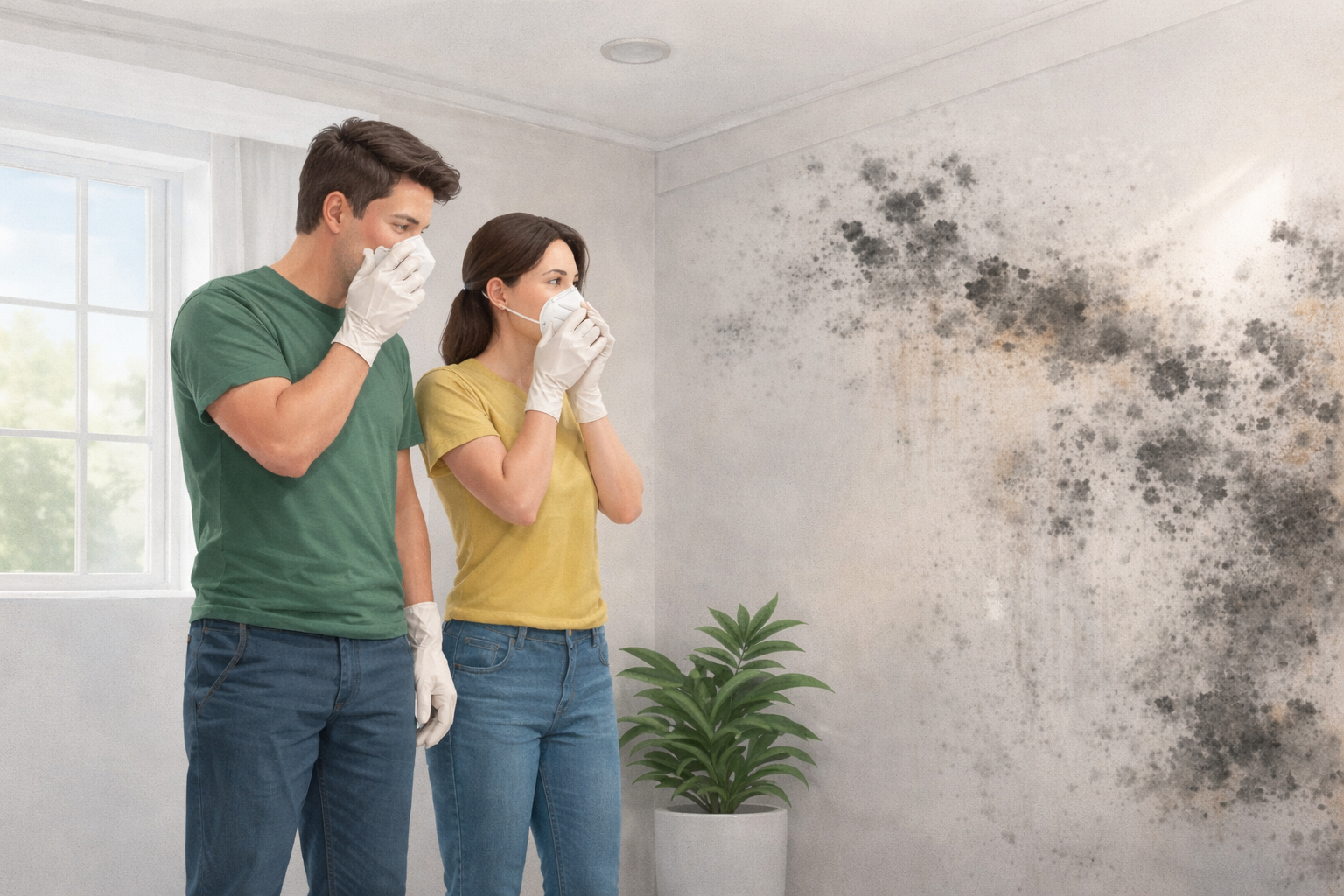
At the first sign of mold, it’s important to take immediate precautions to protect yourself and prevent further exposure.
- Avoid affected areas
- Wear protective hear like a NIOSH approved N95 respirator mask and gloves
STEP 2
Take Pictures
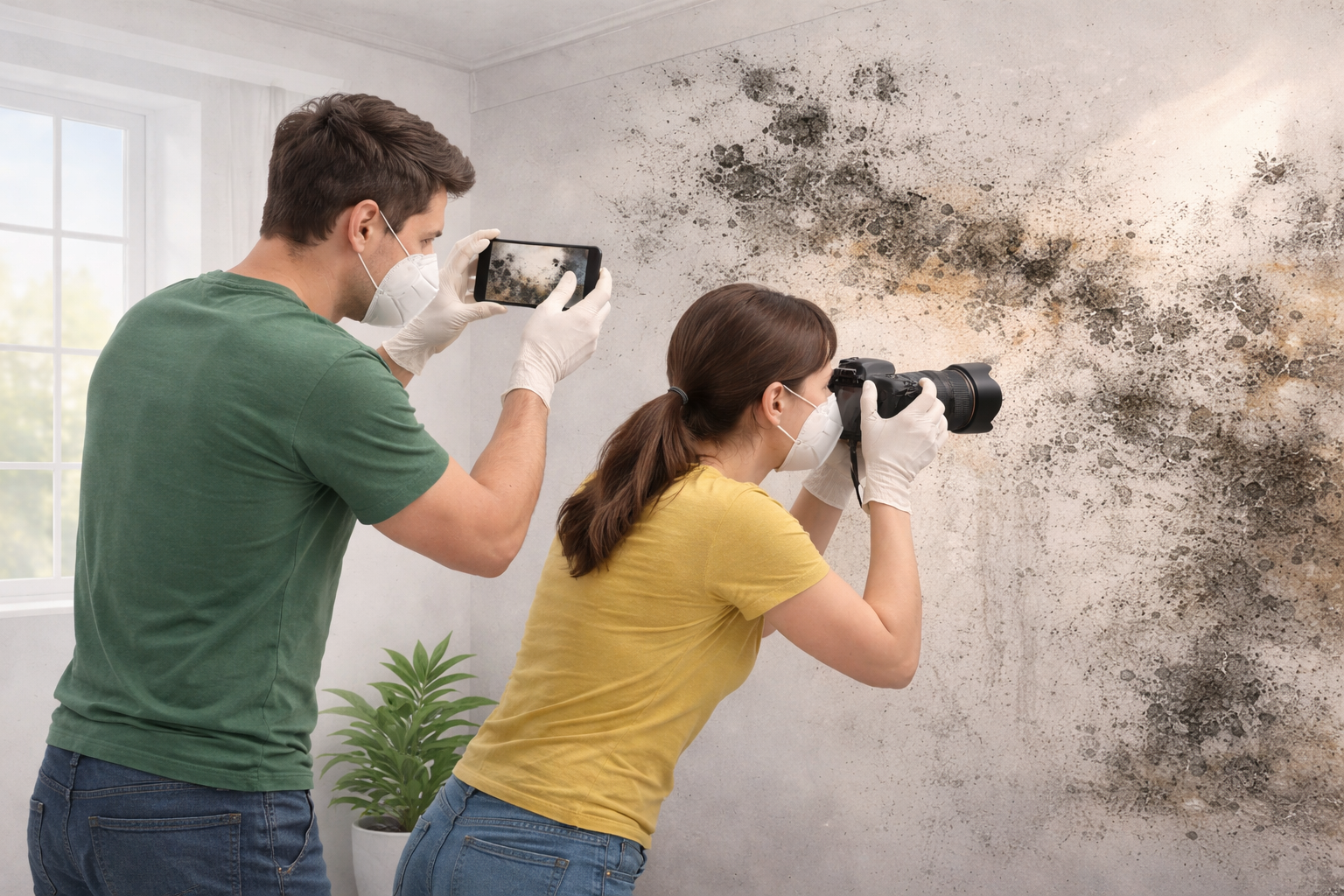
As soon as mold or water damage is discovered, take clear photographs of all affected areas. This includes visible mold growth, water stains, damaged walls, ceilings, flooring, and any sources of moisture.
Landlords and associations may attempt to clean, repair, or conceal these conditions once they are notified. Having photographic evidence helps preserve the true condition of the property at the time the problem was first discovered.
Be sure to save copies of your photos in a secure location. These images can become critical evidence later, documenting the extent of the damage before any remediation or repairs are performed.
STEP 3
Get Professional Mold Testing
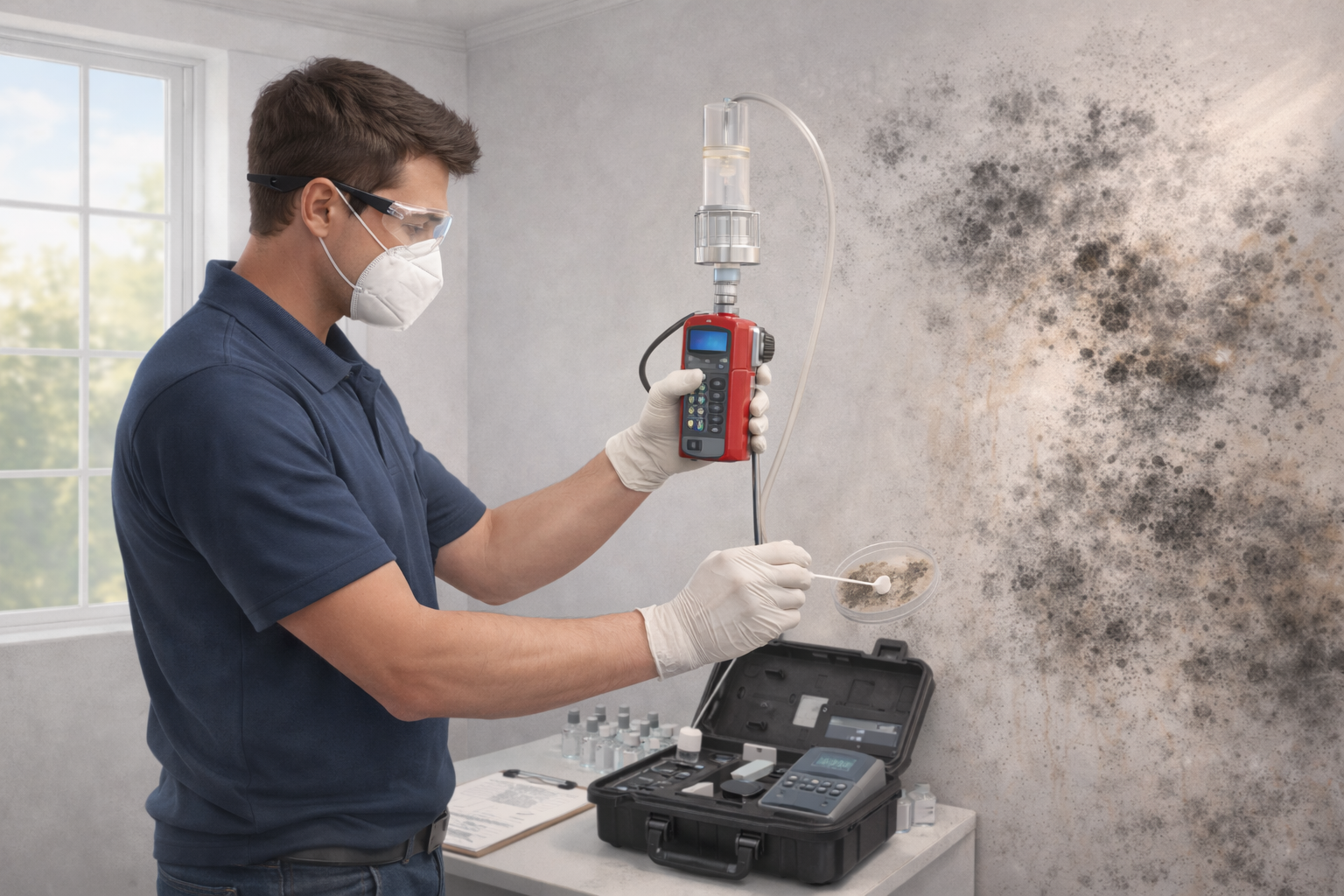
To properly confirm the presence and extent of mold, the property should be evaluated by a licensed mold assessor. In Florida, mold testing must be performed by a professional holding a specialty mold assessor license, and it is important to hire someone with specific experience in mold-related investigations.
A comprehensive inspection typically includes air sampling in each room where mold is suspected, as well as swab or surface samples of any visible mold growth. These samples help identify the types of mold present and measure spore concentrations within the home.
The Mold Lawyers have worked with experienced mold scientists who conduct thorough testing and prepare detailed reports. These reports identify the molds found, explain the significance of the results, and outline the repairs or remediation necessary to properly address the conditions in the property.
STEP 4
Provide Written Notice
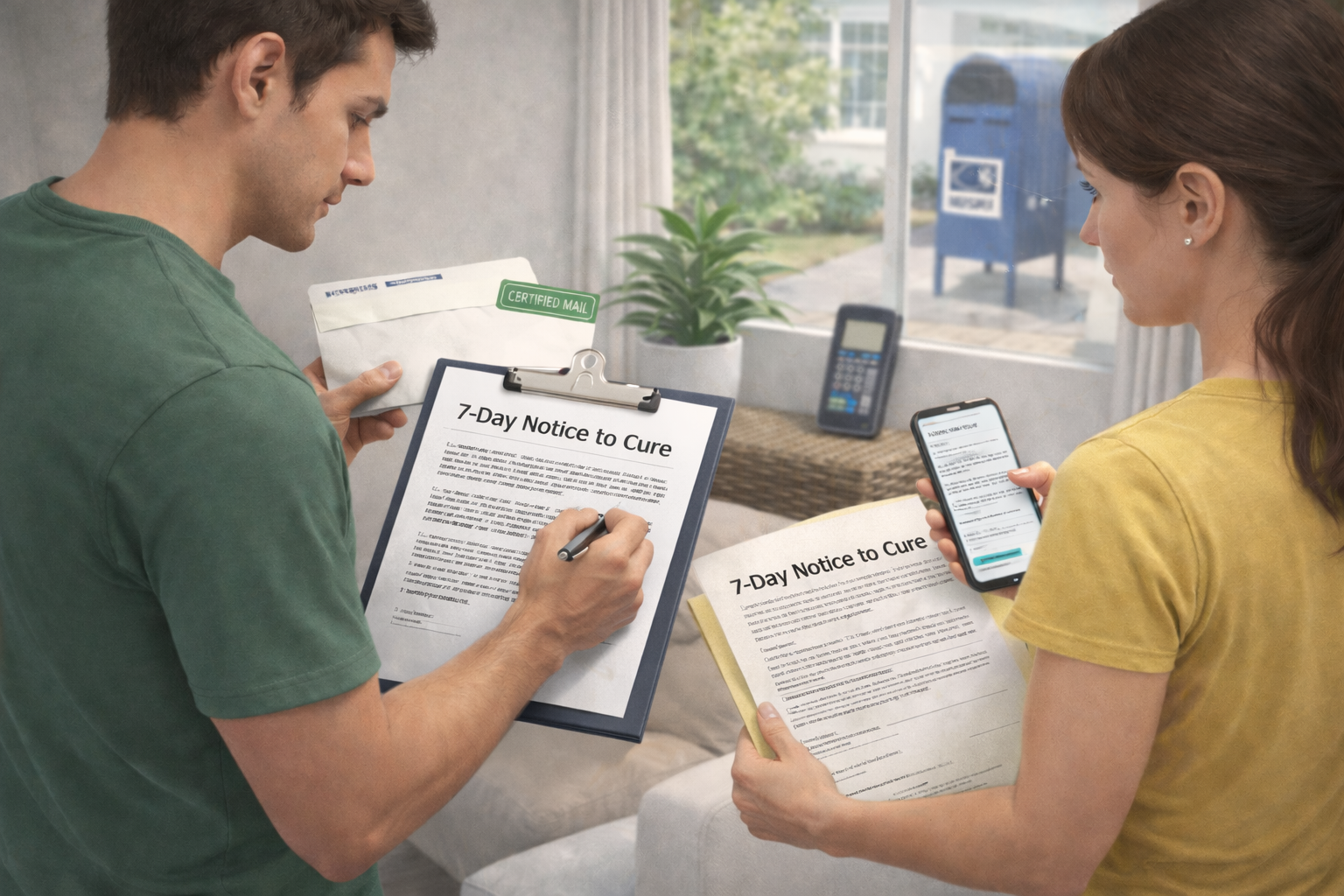
If the landlord or condominium association is not aware of the mold condition, they generally cannot be held responsible for the resulting damages. For that reason, it is critical to provide written notice as early as possible, typically by certified mail, so there is a clear record of when the issue was reported.
Because notice requirements must comply with Florida law to support a successful claim, The Mold Lawyers can assist in preparing a legally sufficient notice that preserves your rights and will hold up in court.
While we strongly recommend having an attorney prepare or review your notice, a do-it-yourself tenant notice form is available for download. Condominium unit owners should contact our office directly for assistance with providing proper written notice to their association.
STEP 5
Keep Track of Your Damages
The presence of mold alone does not automatically entitle you to compensation. To recover damages, you must be able to show that you suffered actual financial losses as a result of the mold conditions.
This may include expenses such as moving costs, mold testing and inspection fees, damage to personal property, hotel stays, medical expenses, and lost wages from missed work. It is important to keep copies of all receipts, invoices, and related documents that reflect these costs.
You should also create a detailed list of any personal property that was damaged or discarded due to mold exposure. When possible, gather purchase receipts or other proof showing the value of each item. Thorough documentation helps establish the full extent of your losses and strengthens your claim if the matter proceeds to court.


STEP 6
Make an Appointment with a Doctor
If you believe you are experiencing symptoms related to mold exposure, it is important to seek medical care as soon as possible. Any personal injury claim involving mold must be supported by medical evidence from a licensed physician, so timely evaluation is critical.
While it is helpful to see a doctor with experience treating mold-related conditions, beginning with your regular physician is an important first step. Depending on your symptoms, further evaluation may involve specialists such as allergists, pulmonologists, toxicologists, or environmental medicine physicians.
The Mold Lawyers has worked with medical professionals who have experience evaluating mold exposure and its effects. When appropriate, we can assist in connecting you with qualified physicians who understand how to properly document and assess mold-related exposures.
STEP 7
Contact an Experienced Mold Lawyer
The attorneys at The Mold Lawyers have extensive experience handling claims where landlords or condominium associations deny the presence of mold or attempt to conceal the problem. We understand the tactics commonly used to avoid responsibility and know how to hold the proper parties accountable.
If you believe you have been exposed to toxic mold, we are prepared to advocate on your behalf and pursue the compensation you may be entitled to under Florida law. Contact our office for a free, no-obligation case review to discuss your situation and learn more about your legal options.

Get a Free Case Review.
Main Office
1250 S. Pine Island Road, Suite 225
Plantation, Florida 33324
Contact
Office Hours
Office Hours: Monday – Friday: 9am — 5pm
Phone Agents: 24 hours per day.
954-241-2260
